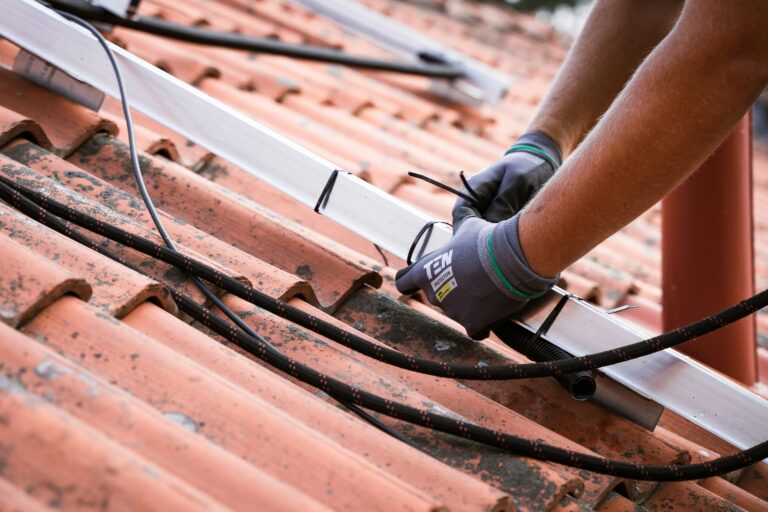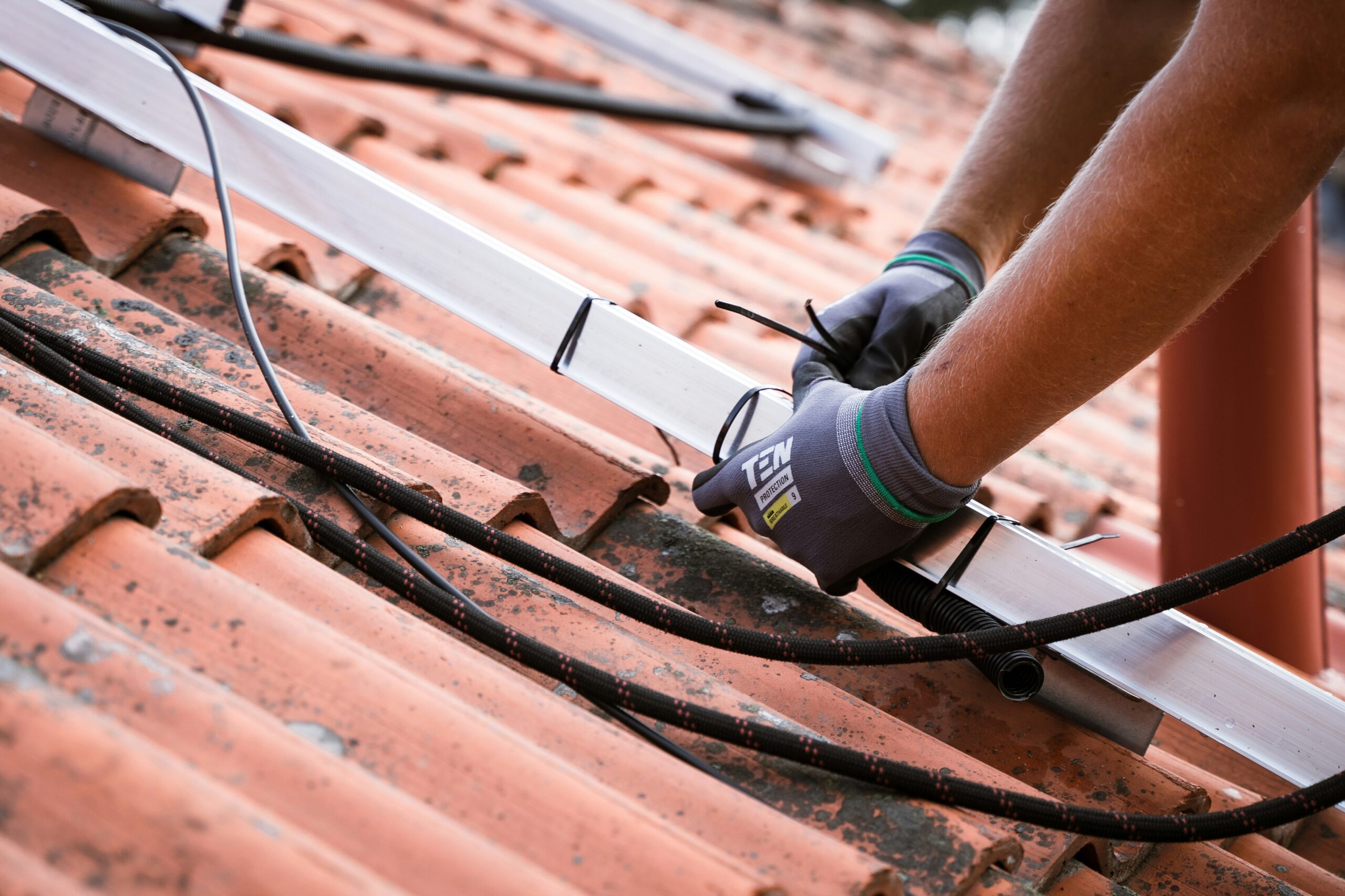

Once the storm has passed, you need to review your roofing and check for any damage that might have been caused. While big storms may cause apparent damage, even a small storm could mean issues for your home. To ensure you’re protected, check out this blog and learn more about properly inspecting your roof. Doing this promptly means you prevent further damage and minimise repair costs.
Safety First
When inspecting a roof, safety is incredibly important. This starts with assessing the current weather conditions – if the storm has only just finished, your roof could still be wet, and the winds won’t be calm. This means that you could easily slip or be blown from the roof. To minimise the risk once you’re on a roof, wear slip-resistant shoes, use a stable ladder, and ensure your footing is firm.
You also need to ensure that you have the correct tools. Typically, you’ll need a torch and binoculars, depending on the size of your roof, and a smartphone to take pictures of any damage you discover. If these things are easily accessible, your inspection will be much easier.
Visible Signs of Damage
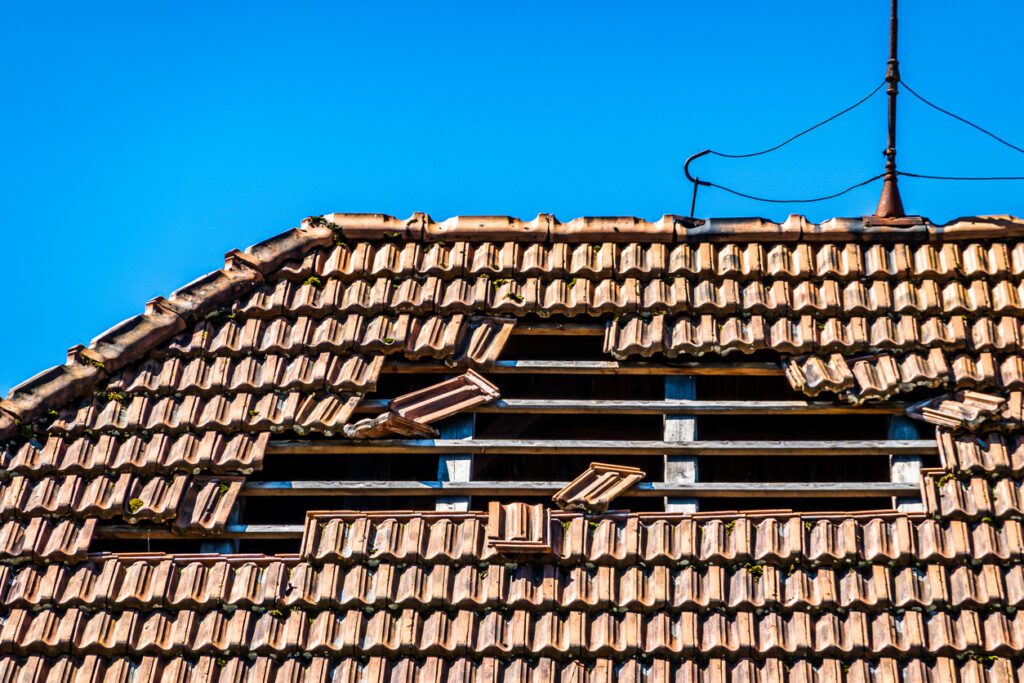
The first thing to check for is any visible damage to your roof and roofline. This can include shingles, slates, or tiles being missing or damaged. If these shingles, tiles, or slates are cracked, curled, or blistered, it’s an obvious sign of damage. Another visible sign can be granules in your guttering after a storm. If there’s a large amount, this can indicate significant shingle wear and let you know it’s time to replace them.
When checking your shingles, it’s worth looking at the rest of your roof. Chimneys, vents, skylights, and sealants should all be checked for wear or potential damage.
Hidden Problems to Look for
When inspecting your roof for storm damage, it’s crucial not to overlook the less obvious problems that could escalate into serious issues. Here’s how to spot and address these hidden concerns:
Leaks and Water Damage
Even if your roof appears intact from the outside, small leaks or water damage can develop into significant problems. Here’s how to check for these issues:
- Inspect the Attic: Visit your attic during daylight hours. Look for light rays coming through the roof, as these can indicate holes. After sunset, use a flashlight to examine the underside of the roof for water stains.
- Check Insulation: Wet insulation is a clear sign of water problems. It indicates a leak and can lead to reduced energy efficiency.
- Search for Stains: Water stains or streaks on the wood, especially along the rafters or the roof deck, can indicate water entering from damaged shingles or a compromised flashing system.
Structural Issues
Structural integrity is critical to a roof’s ability to withstand weather conditions. Be on the lookout for:
- Sagging Roof Deck: If the roof decking is sagging between the rafters, it may be due to water saturation from leaks. This sagging can worsen over time, leading to more severe structural damage.
- Misaligned or Cracked Rafters: Check for any cracks in the rafters or trusses. These issues could compromise the roof’s stability, particularly under heavy wind or rain in the future.
- Exterior Checks: Look for any signs of roof deformation from the outside. Uneven roof planes or a visible dip along the roof line can signal serious structural concerns that require immediate attention.
Mould and Mildew
Mould and mildew are not only harmful to your roof but can also pose health risks to your household:
- Spotting Mould and Mildew: In the attic, look for any black or green patches on the wood, especially near areas where water leaks. Also, a musty smell typically accompanies mould growth.
- Ventilation: Ensure your attic is well-ventilated. Poor ventilation can encourage the growth of mould and mildew by allowing moisture to accumulate.
- Health Precautions: If you find significant mould, it’s advisable to contact a professional for removal to avoid health hazards associated with mould exposure.
By identifying these hidden problems early, you can take steps to repair your roof promptly and efficiently, thus safeguarding your home against future damage.

What to Do If You Spot Damage
After identifying storm damage to your roof, immediate action can help minimise further damage and streamline the repair process. Here’s what to do:
Immediate Measures
- Covering Holes with a Tarp: If you notice significant holes or exposed areas on your roof, it is crucial to cover them with a waterproof tarp. Secure the tarp with strong ropes or bungee cords around the edges to the solid sections of the roof. This temporary solution can help prevent water from entering the home and causing interior damage.
- Clearing Debris: Safely remove loose debris from the roof that could clog gutters and drains, preventing proper water runoff.
Documenting the Damage
- Take Clear Photos: Photograph all areas of damage from multiple angles. Make sure to capture wide shots to establish the extent of the damage and close-up shots to detail specific issues.
- Detailed Notes: Alongside photos, keep detailed notes on the type and extent of the damage. Record the date of the storm and the date you noticed the damage, as this information will be crucial for your insurance claim.
- Maintain a Record: Organise this information in a file or digital folder. Include receipts for immediate repair costs, such as tarps or emergency professional services.
Consulting a Professional
- Schedule an Inspection: Contact a roofing professional to conduct a thorough inspection. They can assess the full extent of damage, some of which may not be immediately visible.
- Get a Written Report: A detailed report from a certified roofer can support your insurance claim and outline the necessary repairs.
- Plan Repairs: Discuss with the professional the best course of action for repairs. They can estimate the costs and timeline for the work needed.
Contacting Your Insurer
- Initiate the Claim: Contact your insurance company immediately to report the damage. Most policies require prompt reporting for storm damage.
- Information to Prepare: Have your policy number, the storm’s date, and your damage documentation ready when you call. This will help streamline the claims process.
- Follow Their Process: Your insurer will likely send an adjuster to examine the damage and validate the claim. Be prepared to provide access to your home and your gathered documentation.
Taking these steps promptly after discovering roof damage can help protect your property from further harm and ensure a smoother repair and claims process.
Get in Touch
Regular roof inspections, particularly after storms, are crucial in maintaining the integrity of your roof and preventing long-term damage. You can identify and address minor issues by conducting routine checks before they escalate into major repairs. If you’ve noticed any signs of damage, or it’s simply time for a routine inspection, don’t hesitate to contact JMI Roofing. Our team of professionals is equipped to provide comprehensive inspections and repairs to ensure your roof remains in optimal condition. For more information, contact our team.