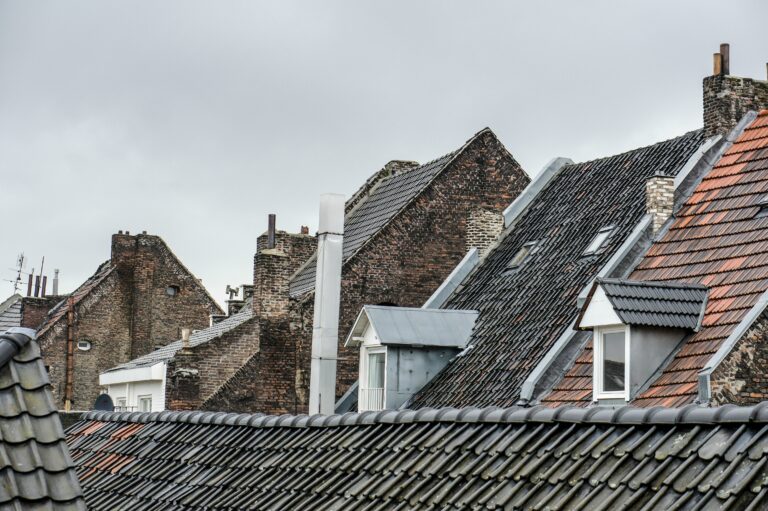

Pitched roofs are a classic and reliable choice for many homes across the UK. Known for their superior water drainage system and great insulation, they suit a range of properties and provide timeless design. However, just like any structure, pitched roofs don’t last forever.
In this pitched roof replacement guide, we explain how to spot the signs of a failing pitched roof, outline the steps involved in a full pitched roof replacements, outline the average costs for pitched roofs, and help you to decide between a pitched roof repair and full roof replacement.
Signs It’s Time to Replace a Pitched Roof
A well-maintained pitched roof will last for decades, but weather exposure, ageing, and general wear and tear will impact any roof.
Ignoring the signs of a damaged pitched roof can result in issues such as internal water damage, which can become problematic. For this reason, it’s crucial to assess damage as early as possible.
Here are some common signs that a pitched roof may need replacing:
Widespread or persistent leaks – Water ingress, especially across multiple points, is a key indicator that the roof’s protective layers are compromised.
Missing or damaged tiles – A few loose or cracked tiles can be repaired, but if tile damage is widespread, your roof may no longer be fit for purpose.
Sagging or uneven rooflines – This often suggests structural issues with the underlying rafters or decking due to prolonged water damage or age.
Moss and algae growth – Excessive moss will trap moisture, accelerating roof tile deterioration. The presence of moss is also a sign of poor drainage and roof ageing.
Visible daylight through roof boards – If you can see daylight through your loft or attic ceiling, the underlay and structure have failed.
Before committing to a full pitched roof replacement, it’s a good idea to work with a roofing specialist such as JMI for an in-depth inspection. This will determine the extent of damage and structural concerns that need attention. We can assist with:
- Tile and ridge condition
- Underlay and insulation review
- Structural timber inspection
- Chimney, flashing, and valley checks

Pitched Roof Replacements vs Repair: What’s Best?
Replacing a pitched roof is a significant investment, so it’s worth exploring whether a repair will do the job, especially if the damage is localised or your roof is relatively new.
Signs of Minor Roof Damage
Minor issues can often be addressed through targeted repairs by a professional roofer:
- Isolated tile damage – A few broken or slipped tiles can usually be replaced quickly.
- Flashing deterioration – Replacing or resealing flashing around chimneys and vents can prevent leaks.
- Gutter issues – Overflowing or blocked gutters can lead to leaks that may be solved with improved drainage or small-scale repairs.
If your roof is generally in good condition, a repair could extend its life by several years and save on costs.
Signs of Major Roof Damage
Some problems are too widespread or severe to fix with a patch job:
- Large-scale tile loss or damage – If many tiles are missing or damaged, it suggests your roof is at the end of its life.
- Structural sagging or rot – Issues with the roof’s frame or rafters are a red flag and often require a full rebuild.
- Your roof is nearing the end of its lifespan – Most pitched roofs last 40 to 80 years, depending on material (slate, clay, concrete). If your roof is sagging and showing signs of wear, replacing it may be the safer and more economical option.
Pitched Roof Replacement: The Process
Once you have assessed the damage to your roof or have decided to go forward with a full roof replacement, the process will involve a number of steps. By understanding what happens throughout pitched roof replacements, you’ll be best set up for minimal disruption.
Here’s what you can expect to happen:
1. Roof Survey and Assessment
Step one involves a full roof inspection to identify damage, structural condition, and requirements for replacement.
2. Scaffolding Setup
Once the project for a pitched roof replacement begins, scaffolding is erected, which will provide safe access for the roofing team to navigate the task.
3. Removal of Old Roof Materials
Old tiles, battens, and underlay are stripped away to expose the roof structure and prepare for new roofing.
4. Structural Repairs
Any damaged rafters, trusses, or decking are repaired or replaced to ensure stability.
5. Installation of New Underlay and Battens
Breathable membranes are fitted to protect against moisture, followed by battens for the new tiles.
6. Tile Installation
New roof tiles (slate, clay, or concrete) will be fitted according to the manufacturer’s and building standards.
7. Flashing and Finishing Touches
Next, installation of flashing around chimneys, valleys, and other features takes place, followed by guttering and ridge tiles.
8. Final Inspection
A full quality check ensures the roof is watertight, secure, and up to UK building regulations.

Pitched Roof Replacement Costs in the UK
Depending on various factors, the cost of pitched roof replacements varies across the UK. To price a replacement roof, a company will look at:
- The overall size of the roof
- Roofing material to be used (e.g., slate, clay, or concrete tiles)
- Access and scaffold requirements for the job
- The extent of structural repairs needed
- Location (labour rates vary across the UK)
Here’s a rough guide to average costs:
- Small property (terrace or bungalow): £4,000 – £7,000
- Mid-size home (semi-detached): £6,000 – £10,000
- Larger property (detached or complex roof): £10,000 – £18,000+
It’s important to remember that premium materials such as natural slate will increase the total cost of a pitched roof replacement, and extra features such as roof windows, new chimneys, and dormers will also incur costs.
Do You Need Help Replacing Your Pitched Roof?
JMI Roofing is here to help. Whether you’re dealing with ongoing leaks or planning a full roof overhaul, our team of experienced UK roofers delivers trusted, high-quality workmanship. We provide everything from full surveys to professional installation and post-installation inspections.
Get in touch today for a free, no-obligation quote and expert advice tailored to your home and budget.
FAQs: Pitched Roof Replacements
How long does it take to replace a pitched roof?
Typically 4–7 days, depending on the size and complexity of the roof and any weather delays.
Can I stay in my home during the roof replacement?
Yes, although there may be some noise and temporary disruption during working hours.
Do I need planning permission?
Usually not unless you’re changing the roof height, shape, or adding extensions or dormers.
What’s the lifespan of a new pitched roof?
Anywhere from 40 to 100 years, depending on materials and maintenance.
Can I replace part of the roof?
In some cases, partial replacement is possible, but a full replacement may be more cost-effective long-term if issues are widespread.