
Flat roofs are a popular choice for both residential and commercial properties in the UK; known for their sleek and minimal design, space-saving benefits, and lower costs, it’s easy to see why.
With this said, every type of roof needs to be replaced eventually. But recognising the signs of damage and understanding the process of replacing a flat roof is key.
In this expert roofing guide, we explain everything from flat roof pricing to how long it takes to replace a flat roof.
When You Should Replace a Flat Roof
Knowing when to replace a flat roof is crucial. If you leave it too late, water damage, mould, and even structural issues can occur.
For guidance, here are some clear signs of flat roof issues that will require a full roof replacement:
- Persistent leaks – If you have been dealing with persistent roof leaks, it’s time to plan for a replacement flat roof. Repairing with no success can only go on for so long and usually causes more damage than you may realise.
- Blistering and bubbling – Both of these issues indicate that there is trapped moisture within the roof’s structure. If left untreated, this will lead to eventual roof failure and require a roof replacement.
- Uneven Roof Area – A sagging roof is a big problem, generally highlighting damage in the roof substrate or base decking. This sign is not to be ignored.
- Visible cracks – These can form over time due to extreme weather conditions such as storms, and point to the roof reaching the end of its life.
- Water pooling – Any build-up of water is bad news and means that the roof’s drainage system is no longer effective, often a prelude to further issues.
Before you commit to a flat roof replacement, it’s essential to carry out a thorough flat roof inspection to assess structural damage. Always work with a trusted, reputable roof surveyor or roofing specialist to do this task.
JMI Roofing can assist with replacing a flat roof, and first will carry out:
- An assessment of your roof’s surface condition
- An inspection of insulation and ventilation
- A review of your roof’s drainage systems
- An examination of the roof substrate and supporting structures
Professional roofers in the UK will also perform structural roofing checks to ensure the underlying framework is safe for a new roof installation.
Flat Roof Replacement vs Repair: Which Do You Need?
When it comes to flat roof costs, most homeowners and property managers will choose a repair if the damage is minimal and isolated.
As repairs can be a cost-effective way to extend the life of your roof, especially if it’s relatively new or has only suffered minor wear, it makes sense to go for this option where possible.
However, some problems are too extensive for patchwork solutions and require a full flat roof replacement.
After you have had a roofing specialist assess damage, it’s time to determine your next steps.
Signs of Minor Roof Damage
Minor roof damage is typically localised and doesn’t affect the structural integrity of the entire roof. These issues can often be fixed quickly by a professional roofer and don’t usually require major work.
- Localised leaks: A small leak in one area that is often caused by a crack or puncture in the roof’s membrane or damage around vents and skylights. These types of leaks can usually be patched or sealed without much disruption.
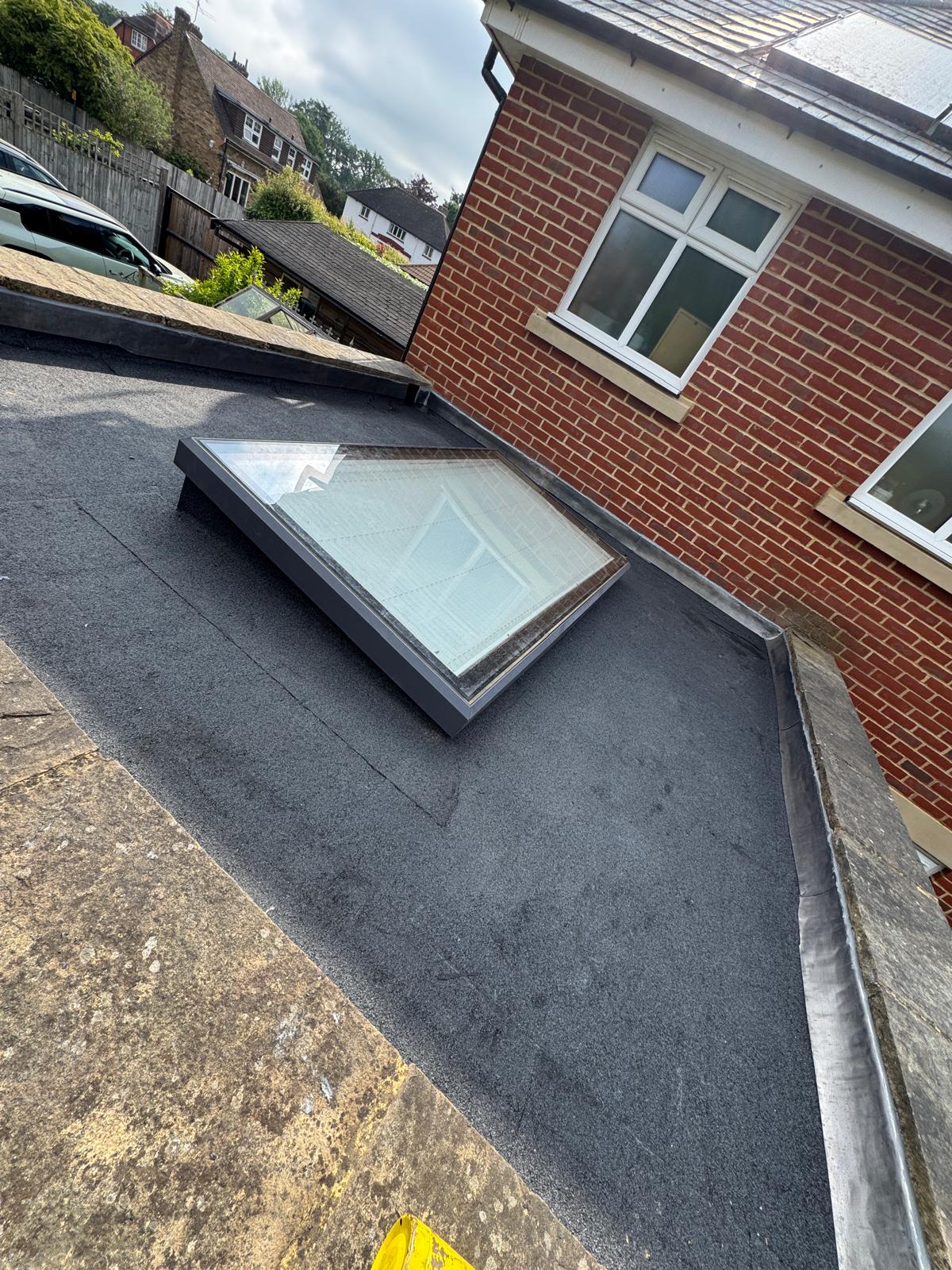
- Flashing issues: Flashing is the thin material (often metal) used to direct water away from seams or joints in the roof. If flashing is loose, corroded, or damaged, water can seep into the building. Replacing or re-securing flashing is generally a straightforward repair.
- A torn membrane: Over time, the waterproof membrane on a flat roof can become fragile and may tear. Small tears can be patched using specialist roofing materials, preventing further damage as long as the issue hasn’t spread.
If one or more of these minor issues are present but the rest of your roof’s structure is in good condition, a repair is usually the solution. However, major damage will always require a full replacement.
Signs of Major Roof Damage
Major roof damage usually affects large areas of the roof, indicating that the roof is at the end of its life. These issues will require more than just a patch-up and point to deeper, more serious structural issues.
- Widespread leaks: If multiple areas of the roof are leaking or showing signs of wear, roofing attention is immediately required. Repeated patch jobs can become costly and ineffective, a full replacement will be needed.
- Sagging: A sagging or uneven flat roof is a serious concern and often a sign that the underlying structure has been compromised. This could be due to long-term water damage, excessive weight, or poor installation. In this case, a full assessment and replacement are strongly recommended.
- The roof is nearing its lifespan (10–25 years): Flat roofs have a limited lifespan, typically between 10 and 25 years, depending on the material used (e.g., felt, EPDM, GRP fibreglass). If your roof is approaching the end of its expected life and problems are becoming more frequent, it’s often more cost-effective to invest in a replacement.

Replacing a Flat Roof: The Process
Understanding the roof replacement process helps you know what to expect when work begins. At JMI, we will always communicate a clear timeline to customers so that they can best plan for any disruption and changes to their living environment.
- Flat Roof Survey – A detailed inspection by a flat roof surveyor before replacing a flat roof will help to assess damage and determines the scope of the project and what will be carried out.
- Removing a Flat Roof – Old materials are stripped back to expose the roof substrate and base decking.
- Structural Repairs (if needed) – Any damaged decking or joists are repaired or replaced.
- Installation of Insulation – Modern standards often require new flat roof insulation for energy efficiency.
- Membrane Application – The new flat roofing material is installed, sealed, and weatherproofed.
- Re-installing Roof Features – This includes skylights, vents, flashings, or trims.
- Final Inspection – A quality check to ensure everything has been installed to standard.
Replacing a Flat Roof Costs and What to Expect
Flat roof replacement prices will vary depending on different factors. Below, we’ve listed what you should take into consideration:
- The size of the total roof area
- The type of flat roofing materials to be used
- Access and location to the roof
- Labour and additional structural repairs that may be required
Here’s a general guide to flat roof prices in the UK:
- Small roof (e.g., porch, extension): £1,000 – £2,000
- Medium roof (e.g., single garage): £2,000 – £3,500
- Large roof (e.g., flat roof on full property): £4,000 – £7,000+
Add-ons such as flat roof skylights or even certain drainage systems, that are deemed complex, will increase the cost of a new flat roof.
Need Expert Help With a Flat Roof Replacement?
Whether you’re dealing with a leaking garage roof or planning a full flat roof upgrade, JMI is here to help. Our experienced team of roofers in the UK provide comprehensive services, from roof surveys to full roof replacements.
Get in touch today for a no-obligation quote. We’ll guide you through the roof replacement process and help you choose the best flat roofing materials for your needs and budget.
FAQs: Flat Roof Installation
Can I live in my home during a roof replacement?
Yes. Most projects are external, and you can usually stay in your home.
Is planning permission required for replacing a flat roof?
Usually not, unless you’re changing the roof height or adding features like a flat roof extension.
What’s the lifespan of a new flat roof?
Typically 15 to 30 years, depending on the material and maintenance.
Can I overlay a new roof on top of the old one?
Sometimes, but only if the existing roof is structurally sound and permitted by building regulations.
How long does it take to replace a flat roof?
On average, 2 to 4 days, depending on the size and complexity of the job.